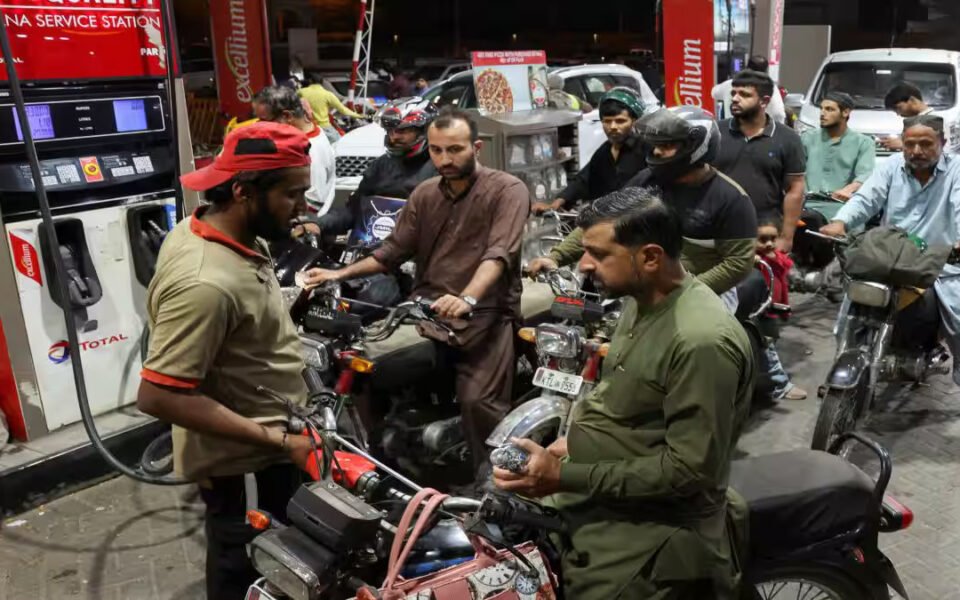
Pakistan’s government says more than nine million people have benefited from its fuel relief scheme as the ongoing US-Iran war pushes up energy costs and puts additional pressure on motorists.
Petroleum Minister Ali Pervaiz Malik announced the latest figures on Sunday, according to Radio Pakistan. He said the government was trying to protect vulnerable citizens from rising fuel prices and had avoided transferring the full burden of higher petroleum costs to consumers.
The conflict has disrupted energy supplies from the Gulf and shipping through the Strait of Hormuz, a major route connecting the Gulf to the Arabian Sea. As Pakistan relies heavily on imported fuel, international price increases have created additional challenges for households and businesses.
Who Can Benefit From the Fuel Subsidy?
The Prime Minister’s Fuel Relief Scheme provides financial assistance to eligible motorcycle users, rickshaw drivers and owners of small cars.
Under the program:
- Motorcycles and rickshaws: Eligible users receive a weekly petrol relief token worth Rs500.
- Small cars: Owners of vehicles with engines up to 800cc receive a discount of Rs100 per litre on up to 10 litres every 10 days.
The government approved Rs75 billion for the scheme on September 14 to help eligible citizens manage rising fuel expenses.
Millions Have Registered for Assistance
The latest announcement marks an increase from the government’s earlier figures. On Friday, officials reported that more than 7.5 million people had benefited from the scheme since September 15.
Officials also informed Prime Minister Shehbaz Sharif that registrations had crossed 8.4 million. Meanwhile, more than 10.3 million tokens had been redeemed out of approximately 12.2 million issued, with the program operating in 129 districts.
However, redeemed tokens do not represent the number of individual beneficiaries because the same motorists may receive assistance multiple times.
Registration Issues Remain a Challenge
Despite the growing number of beneficiaries, some motorists have experienced difficulties accessing the subsidy.
Visits to petrol stations in Islamabad and neighbouring Rawalpindi found that some eligible motorists were receiving assistance, while others faced registration errors, documentation requirements and uncertainty about resolving their applications.
These problems highlight the need for a smoother registration process and clearer guidance so eligible citizens can receive relief without unnecessary delays.
Conclusion
Pakistan’s fuel relief scheme has reportedly reached more than nine million people as international energy costs continue to rise amid the US-Iran conflict. Although the government aims to ease the financial pressure on motorcycle users, rickshaw drivers and small-car owners, registration difficulties remain a concern.
The scheme’s effectiveness will depend on how efficiently the government delivers assistance and addresses the problems faced by eligible motorists.