
Corn Market Price Today in Pakistan – Latest Corn Rates and Market Trends
Corn Market Price today in Pakistan – check the latest corn rate, maize prices, corn price chart trends, and updates on the maize crop in Pakistan. Stay informed about daily market rates, industry demand, and price fluctuations affecting corn in Pakistan.
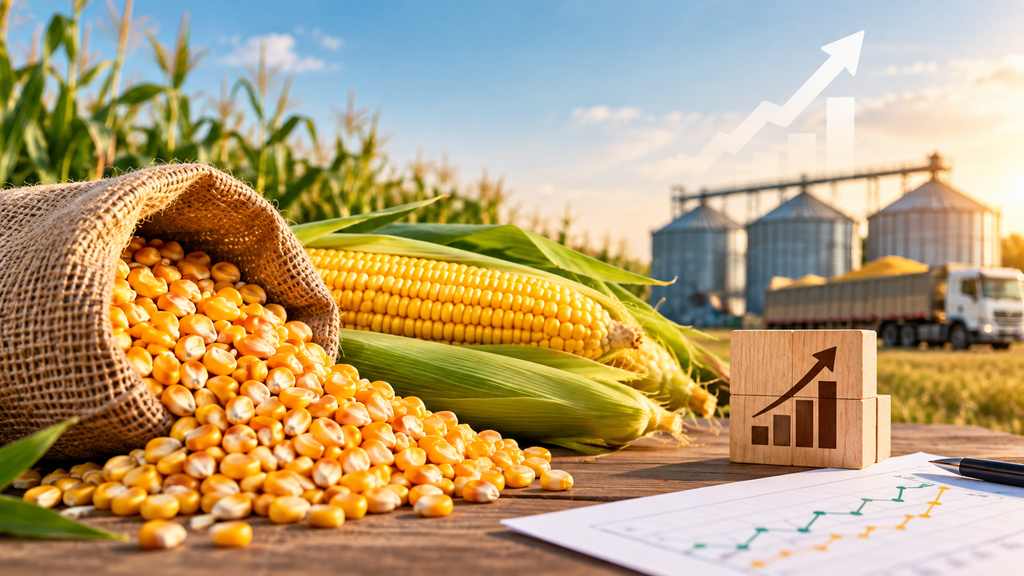
Corn is one of the most important agricultural commodities in Pakistan. It plays a major role in livestock feed, poultry production, food processing, and various industrial applications. Because of its wide usage, farmers, traders, feed manufacturers, and businesses closely monitor the corn market price today to make informed buying and selling decisions.
If you are looking for the latest corn rate, market trends, and insights into the maize industry, this guide provides everything you need to know about current corn prices and the factors influencing the market.
What Is the Current Corn Market Price Today?
As of September 2026, the average corn market price today in Pakistan is around Rs 325 per kilogram. However, prices may vary depending on several factors, including:
- Region and market location
- Corn quality and moisture content
- Demand from poultry and feed industries
- Transportation and logistics costs
- Quantity purchased
Since agricultural commodity prices change frequently, buyers and sellers should regularly monitor the latest corn rate before making any business decisions.

Corn and Maize: Are They Different?
Many people search for both “corn” and “maize” and often wonder whether they are different products. In reality, both terms refer to the same crop.
- “Corn” is commonly used in North America.
- “Maize” is the scientific and internationally recognized term.
- In Pakistan and many Asian countries, both names are used interchangeably.
Therefore, whether you search for corn market price today, corn rate, or maize prices, you are referring to the same commodity.
Corn in Pakistan: Importance and Market Demand
Corn in Pakistan has become one of the country’s most valuable crops due to increasing demand from multiple industries. The crop is widely cultivated in Punjab, Khyber Pakhtunkhwa, and other agricultural regions.
Major uses of corn include:
Poultry Feed Industry
The poultry sector is one of the largest consumers of corn because it serves as a primary ingredient in animal feed.
Livestock Feed
Dairy farms and livestock businesses use corn as an energy-rich feed source.
Food Processing
Corn is processed into flour, corn oil, starch, cereals, snacks, and other food products.
Industrial Applications
Various industries use corn-based products for manufacturing and processing purposes.
Growing demand from these sectors directly impacts daily corn prices throughout Pakistan.
Factors Affecting Corn Market Prices
Corn prices rarely remain stable throughout the year. Several local and international factors influence the market.
1. Harvest Season and Supply
When farmers harvest large quantities of corn, supply increases and prices often decline. As stocks decrease later in the season, prices generally rise.
2. Weather Conditions
Rainfall, droughts, floods, and temperature changes can affect crop yields. Poor harvests usually lead to higher market prices.
3. Demand from Poultry and Feed Mills
An increase in poultry production often boosts demand for corn, resulting in higher prices.
4. Fertilizer and Fuel Costs
Production costs have a direct impact on commodity prices. Higher fertilizer, diesel, and transportation expenses can push corn prices upward.
5. Currency Exchange Rates
International agricultural trade is influenced by exchange rates. A weaker Pakistani Rupee can increase import costs and affect local market prices.
6. Global Commodity Markets
International corn prices and futures trading influence local market sentiment and can contribute to price fluctuations.
Corn Price Chart: Understanding Market Trends
A corn price chart is one of the most useful tools for farmers, traders, and commodity buyers. It helps track historical price movements and identify market patterns.
Benefits of monitoring a corn price chart include:
- Understanding seasonal price trends
- Identifying buying opportunities
- Planning future inventory purchases
- Forecasting potential market movements
- Comparing current prices with previous years
Businesses that regularly purchase corn often use price charts to improve procurement decisions and manage costs effectively.
Corn Price Per Ton in Pakistan
Bulk buyers typically purchase corn by the ton rather than by the kilogram.
At a market rate of Rs 325 per kg:
| Quantity | Estimated Price |
|---|---|
| 1 Kg | Rs 325 |
| 100 Kg | Rs 32,500 |
| 500 Kg | Rs 162,500 |
| 1 Ton (1000 Kg) | Rs 325,000 |
| 10 Tons | Rs 3,250,000 |
Actual prices may vary depending on location, quality, and negotiated contracts.

Maize Crop in Pakistan: Production Overview
The maize crop in Pakistan has shown significant growth over the last decade. Modern farming techniques, hybrid seeds, and increasing industrial demand have encouraged farmers to expand cultivation.
Major maize-producing regions include:
- Punjab
- Khyber Pakhtunkhwa
- Sindh
- Balochistan
Pakistan produces millions of tons of maize annually, making it one of the country’s most important agricultural commodities.
The future of the maize industry looks promising as demand from poultry, livestock, and food processing sectors continues to grow.
Global Corn Market and Futures Trading
The global corn market influences local pricing trends. Corn futures are actively traded on international commodity exchanges, where investors and businesses buy contracts based on future delivery expectations.
Key factors affecting global corn prices include:
- Worldwide production levels
- Export demand
- Weather conditions in major producing countries
- Supply chain disruptions
- Biofuel demand
Although local corn buyers primarily focus on physical grain prices, international market movements often influence long-term pricing trends.
Who Buys Corn in Pakistan?
Corn has a broad customer base across multiple industries.
Major buyers include:
- Poultry feed manufacturers
- Livestock farms
- Food processing companies
- Corn flour producers
- Starch manufacturers
- Commodity traders
- Agricultural wholesalers
Because of this diverse demand, corn remains one of the most actively traded agricultural commodities in Pakistan.
Practical Example of Corn Price Impact
Suppose a poultry feed company purchases 10 tons of corn every week.
At Rs 325 per kg:
- Total cost = Rs 3,250,000
If the corn rate increases to Rs 335 per kg:
- Total cost = Rs 3,350,000
This small increase results in an additional expense of Rs 100,000 for the same quantity. This demonstrates why businesses regularly monitor corn market prices before placing large orders.
Frequently Asked Questions
What is the current corn rate in Pakistan?
The average corn market price today is approximately Rs 325 per kilogram, although prices can vary by location and quality.
Is corn the same as maize?
Yes, corn and maize are different names for the same crop.
Why does the corn price change daily?
Prices fluctuate due to supply, demand, harvest conditions, transportation costs, weather, and international market trends.
Which provinces produce the most corn in Pakistan?
Punjab and Khyber Pakhtunkhwa are among the leading producers of maize in Pakistan.
How can I track corn price trends?
Monitoring a corn price chart and following daily commodity market updates can help you understand price movements and market trends.
Conclusion
The corn market price today remains an important indicator for farmers, traders, feed manufacturers, and agricultural businesses. With corn in Pakistan playing a vital role in poultry feed, livestock nutrition, and food processing, market demand continues to support the industry’s growth.
As of September 2026, average corn prices are around Rs 325 per kilogram, but rates can change based on supply, demand, weather conditions, and global commodity trends. Businesses and farmers should regularly monitor the corn rate, review the corn price chart, and stay updated on developments related to the maize crop in Pakistan to make better purchasing and selling decisions.
By understanding market dynamics and tracking current trends, stakeholders can make informed decisions and benefit from opportunities in Pakistan’s growing corn industry.